

Residential Solar Panels
Your Guide to Clean, Cost-Saving Energy at Home
Thinking about going solar? You’re not alone. Thousands of homeowners are switching to solar energy every year—and for good reason. Residential solar panels offer a powerful way to reduce electricity bills, increase your home’s value, and take control of your energy future.
At M&B Solar Consortium, we make it easy to understand your options, navigate incentives, and choose the right system for your property. Whether you’re brand new to solar or ready for installation, this guide will help you take the next step with confidence.

What Are Residential Solar Panels?
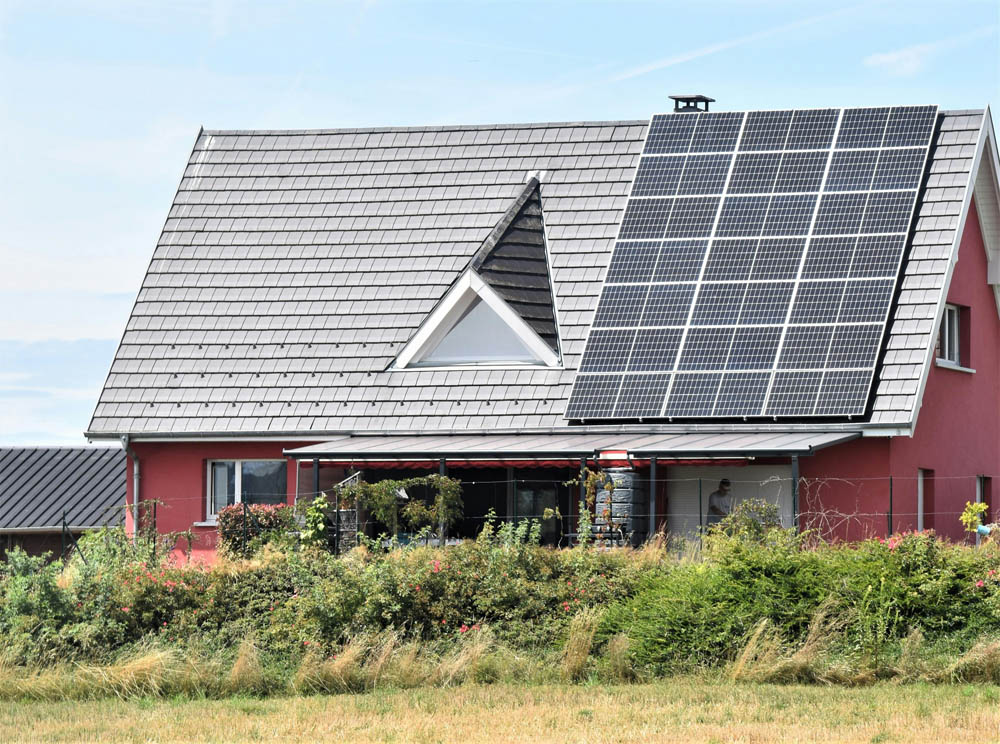
Residential solar panels are photovoltaic (PV) modules installed on your home to convert sunlight into usable electricity. The energy they generate can power your lights, appliances, and even charge electric vehicles. Modern systems are sleek, durable, and efficient—and they work year-round, even in cloudy climates.
Panels are typically installed on your roof, but ground-mounted systems are also available for properties with extra space.
How Do Solar Panels Work?
Solar panels absorb sunlight using silicon-based solar cells. These cells generate direct current (DC) electricity, which is then converted into alternating current (AC) by an inverter—making it usable for your home.
Excess electricity can be:
- Stored in a home battery system
- Sold back to the grid (via net metering)
- Used to reduce future electric bills
Top Benefits of Going Solar at Home
Lower Electric Bills
Solar energy can drastically reduce your monthly utility costs, especially as electricity rates continue to rise.
Increased Home Value
Homes with solar systems often sell faster and for more, thanks to lower energy costs and sustainable features.
Energy Independence
Protect yourself from power outages and utility rate hikes by producing your own clean electricity.
Environmental Impact
Reduce your carbon footprint and help combat climate change by relying on renewable solar power instead of fossil fuels.
What’s the Cost of Residential Solar?
As of 2025, the average cost of a residential solar system ranges from $15,000 to $25,000 before incentives. Your final cost depends on:
- System size and energy needs
- Roof size and orientation
- Equipment selection (e.g., panels, inverters, batteries)
- State and federal incentives
Thanks to the 30% Federal Investment Tax Credit (ITC) and local rebates, many homeowners recoup their investment in 7–10 years or less.
What’s Included in a Residential Solar Installation?
At M&B Solar Consortium, we offer turnkey residential solar solutions that include:
- Site evaluation and energy assessment
- System design tailored to your home
- High-efficiency solar panels and inverters
- Optional battery backup system
- All permits, utility coordination, and inspections
- Full installation and customer walkthrough
- Lifetime support and system monitoring
Optional Add-Ons for Residential Systems
- Battery Storage – Keep your lights on during outages
- EV Charger Integration – Power your electric vehicle with the sun
- Solar Monitoring – Track your system’s performance in real time
- Smart Home Integration – Connect your solar system to your smart home devices
Is Your Home Right for Solar?
Good candidates for solar typically have:
- A sunny or mostly unshaded roof (south-facing is ideal)
- Average monthly electricity bills of $100+
- Long-term plans to stay in the home (5+ years)
- Ownership of the home (not renting)
Our team will evaluate your property with advanced tools and give you a custom solar estimate—no pressure, no obligation.
Get your Free Quote!
There’s never been a better time to go solar.
Partner with M&B Solar Consortium and discover how easy and rewarding it is to switch to clean energy.
"*" indicates required fields
Together, let’s power a brighter, cleaner future.
